Navigate Warning Signs with Confidence
Explore Essential Signage Insights
Discover comprehensive resources to help you understand and implement effective warning signs, ensuring safety and compliance across various environments.
Understanding the Importance of Warning Signs
Best Practices for Signage
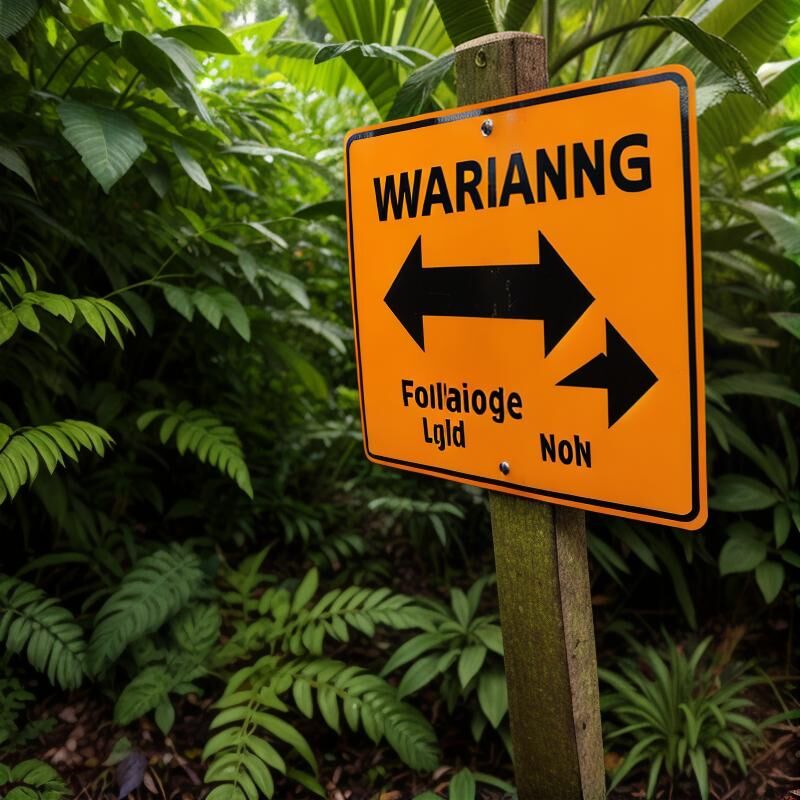
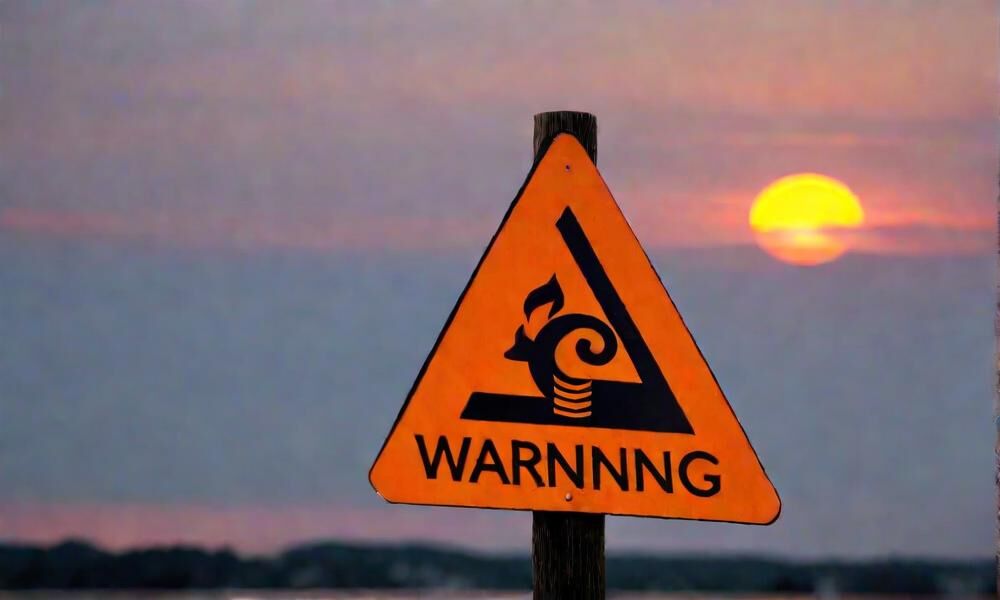
Implementing warning signs effectively requires adherence to certain best practices. Ensure signs are visible and legible, placed at appropriate heights, and use universally recognized symbols. Regular maintenance and updates are crucial to keep signs relevant and effective.
Selecting the Right Signage
Choosing the correct warning signs involves understanding the specific needs of your environment. Consider factors such as location, potential hazards, and the audience. Opt for durable materials and clear messaging to maximize impact and compliance.

Regulatory Framework for Warning Signs
Understanding South African Warning Sign Regulations

Choosing the Right Signage
When selecting warning signs, consider the specific environment where the sign will be placed. Ensure that the sign is visible from a distance and uses universally recognized symbols and colors. Reflective materials are recommended for outdoor signs to enhance visibility at night.
Materials and Durability
Opt for materials that can withstand the environmental conditions of the installation site. For outdoor signs, weather-resistant materials such as aluminum or high-density polyethylene are ideal. Indoor signs can use lighter materials like PVC or acrylic.
Compliance and Safety
Ensure that all signage complies with local safety standards and regulations. Regularly inspect signs for wear and tear, and replace them as necessary to maintain their effectiveness and compliance.
Additional Resources
Discover Trusted Signage Suppliers
Explore our comprehensive directory to find reliable warning signs and signage suppliers across South Africa. Ensure safety and compliance with the right signage solutions.